
You went in for an implant consultation expecting to talk about the implant, the timeline, and the cost. Then your dentist mentioned a bone graft.
Maybe you nodded along and asked a few questions. But later, you started wondering what it actually means. Does needing a graft mean you’re not a good candidate? Does it mean your jaw is in bad shape, the whole thing will take longer, cost more, and be more complicated than you thought?
A bone graft is common and not a red flag. In most cases, it means your Frederick dentist is planning carefully. Let’s walk through what it actually means and what happens next.
What a Bone Graft Actually Does
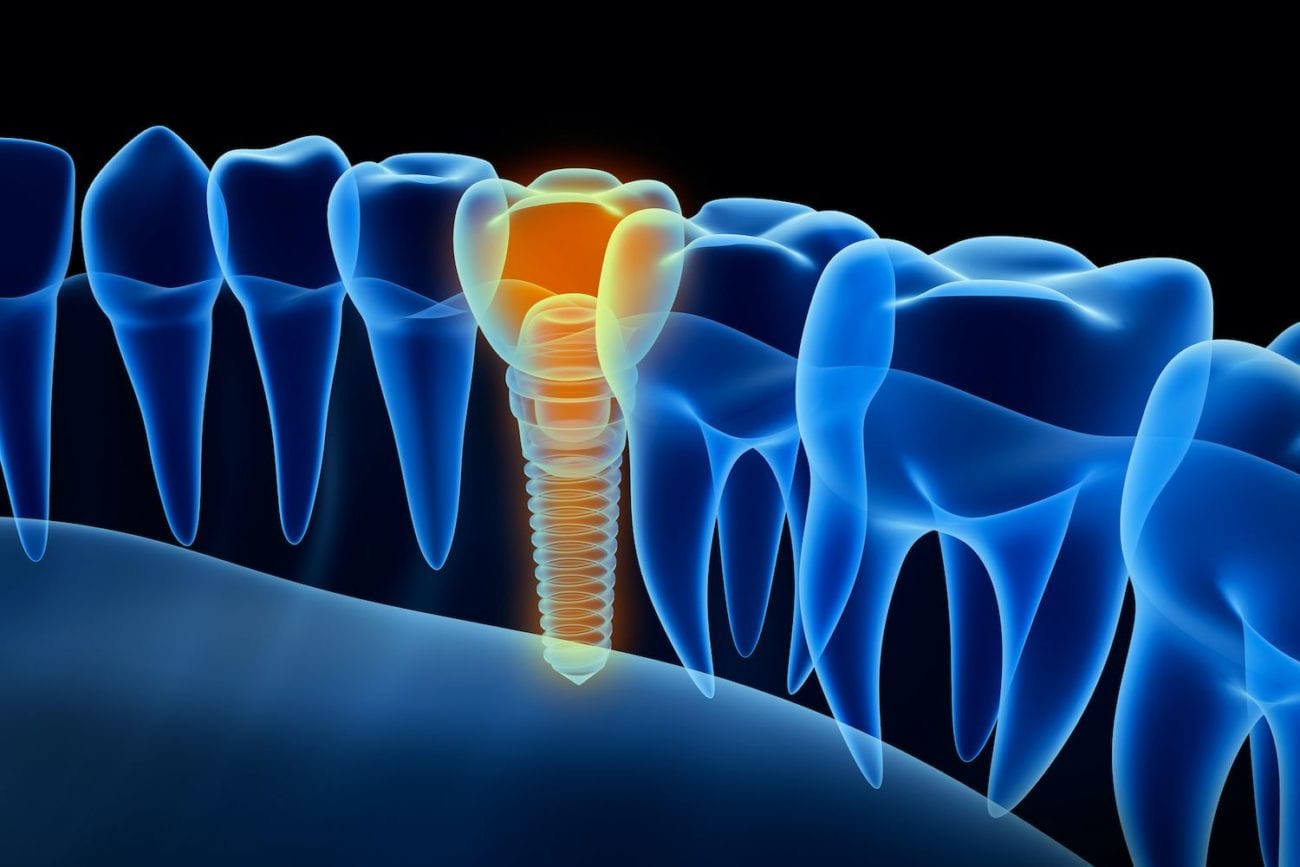
A dental implant fuses with your jawbone. The titanium post goes into the bone, and over three to six months, your bone cells grow onto and into the implant surface. That fusion is what makes the implant stable enough to chew on.
But if there isn’t enough bone where the implant needs to go, the implant won’t have a solid foundation. It might not integrate properly, fail, or need to be placed at an angle that compromises the final restoration.
A bone graft adds volume to the jaw. The graft material creates a scaffold that your body uses to grow new bone. Over time, your body replaces the graft material with its own bone tissue. The goal isn’t to make your jaw bigger. It’s to create enough stable bone in the right location for the implant to succeed.
Why You Might Need One
These are reasons you may need a bone graft before an implant:
- You lost the tooth a while ago. After a tooth is removed, the bone that supported it starts to shrink. This happens relatively quickly, within the first few months, and continues over time. If you’ve been missing a tooth for a year or more, you’ve likely lost some bone volume.
- You’ve had gum disease. Periodontal disease doesn’t just affect your gums. It erodes the bone that holds your teeth in place. If you’ve lost teeth to gum disease, the bone in that area may be compromised.
- The tooth was infected. Infections around a tooth can damage the surrounding bone. Even after you remove the tooth, you may need to rebuild the bone before you can place an implant.
- You’ve worn dentures for a long time. Traditional dentures rest on your gums, not on your bone. Without the stimulation of chewing on tooth roots, the jawbone under a denture gradually shrinks.
- Your anatomy is naturally thin in that area. Some people have less bone in certain parts of the jaw, especially the upper jaw near the sinuses. It’s just how your anatomy developed.
When Dr. Scott Bowersox evaluates a patient for implants, he uses CBCT 3D imaging to measure bone volume and density exactly where the implant would go. He’s not guessing. He measures your jaw’s actual dimensions and compares them to the implant’s requirements.
Why It’s Not a Red Flag
Needing a bone graft doesn’t mean you’re a bad candidate for implants. It means your dentist is planning carefully.
Consider the alternative. A dentist who skips the graft and places the implant anyway is placing it into inadequate bone. That implant is at higher risk of failure. And a failed implant costs more to fix than the graft would have cost in the first place.
Dr. Bowersox has completed nearly 100 hours of continuing education specifically in implant placement and restoration. He’s a member of the American Dental Association and the Maryland State Dental Association. He doesn’t recommend grafts just because they’re profitable. Dr. Bowersox recommends them because they’re necessary for the implant’s long-term success.
At Veritas Dental Institute, we perform bone grafting in-house. You won’t be referred to a specialist. Dr. Bowersox handles the graft and then the implant in the same office, with the same team and using the same imaging.
What the Process Looks Like
If you need a bone graft, here’s what happens:
- The Graft: Dr. Bowersox places the graft material where bone needs rebuilding. The procedure is typically done under local anesthesia, and sedation options are available if you’re anxious.
- The Healing Phase: The graft needs time to integrate with your bone. This usually takes four to six months, depending on the graft type and size. During this time, you’ll heal at home.
- The Implant Placement: Once the graft has healed, Dr. Bowersox places the implant. The procedure is the same as without the graft, just delayed by the healing time.
- The Restoration: After the implant integrates, Drs. Sahil and Anshu Goyal design and place the final crown, bridge, or denture.
The added time is real, and we won’t pretend otherwise, but it’s the difference between an implant that lasts and one that fails.
What to Ask Before You Agree to a Graft
If grafting comes up in your treatment plan, ask a few questions.
What type of graft is this? Is it socket preservation, which fills the hole after an extraction to prevent bone loss? Is it a ridge augmentation, which rebuilds bone width? Or is it a sinus lift, which adds bone height in the upper jaw? Each serves a different purpose, and costs and healing times vary.
How much bone do I actually have, and how much will the graft add? Ask to see the imaging. A good dentist will walk you through it.
Can the graft and the implant be done at the same time, or do I need to heal first? Sometimes they can be combined. Sometimes the graft needs time to integrate before the dentist places the implant. The answer depends on your specific situation.
What happens if I don’t do the graft? This is a fair question. Sometimes the implant can’t be placed safely. Sometimes the implant can be placed, but with a higher risk of complications. You deserve to know the trade-offs.
Why In-House Grafting Matters
Some practices refer bone grafting out to a specialist. That means another office, another set of records, and another appointment. It also means the surgeon who places the implant isn’t the person who did the graft.
At Veritas, Dr. Bowersox does both. That matters because the graft and the implant are part of the same plan. He knows exactly what he’s building toward when he places the graft, and what he’s working with when he places the implant.
Dr. Sahil Goyal and Dr. Anshu Goyal are involved in the planning from the start. They design the final restoration and ensure the graft and implant support a crown that will function correctly for years.
Schedule A Visit Today
If you’ve been told you need a bone graft, or if you’ve been told you’re not a candidate for implants because of bone loss, the next step is a consultation. Our office is at 140 Thomas Johnson Drive, Suite 203, in Frederick. We serve patients from Walkersville, Middletown, and throughout Frederick County.
Call us at 301-264-5680 or request an appointment online. We’ll show you the imaging, explain what’s actually happening in your jaw, and give you a clear answer about what’s possible. A bone graft isn’t a red flag. It’s a plan. And you deserve to understand it before you commit.
Learn more about our implant dentistry: